Buy optify.be ?
We are moving the project
optify.be .
Are you interested in purchasing the domain
optify.be ?
domain@kv-gmbh.de · 0541-91531010
Buy optify.be ?
How do dipole-dipole forces affect the boiling temperature?
Dipole-dipole forces are attractive forces between the positive end of one polar molecule and the negative end of another polar molecule. These forces cause the molecules to be attracted to each other and stick together, making it more difficult for them to break apart and become a gas. As a result, substances with stronger dipole-dipole forces will have higher boiling temperatures because more energy is required to overcome these attractive forces and turn the substance into a gas. Therefore, the presence of dipole-dipole forces can increase the boiling temperature of a substance. **
Why are hydrogen bonds stronger than dipole-dipole interactions?
Hydrogen bonds are stronger than dipole-dipole interactions because they involve a specific interaction between a hydrogen atom and a highly electronegative atom such as oxygen, nitrogen, or fluorine. This creates a strong partial positive charge on the hydrogen atom and a strong partial negative charge on the electronegative atom, leading to a strong attraction between the two. In contrast, dipole-dipole interactions occur between the partial positive and negative charges of polar molecules, which are generally weaker than the specific interaction between a hydrogen atom and a highly electronegative atom in a hydrogen bond. **

Similar search terms for Dipole
Top-Angebote
Products related to Dipole:
-
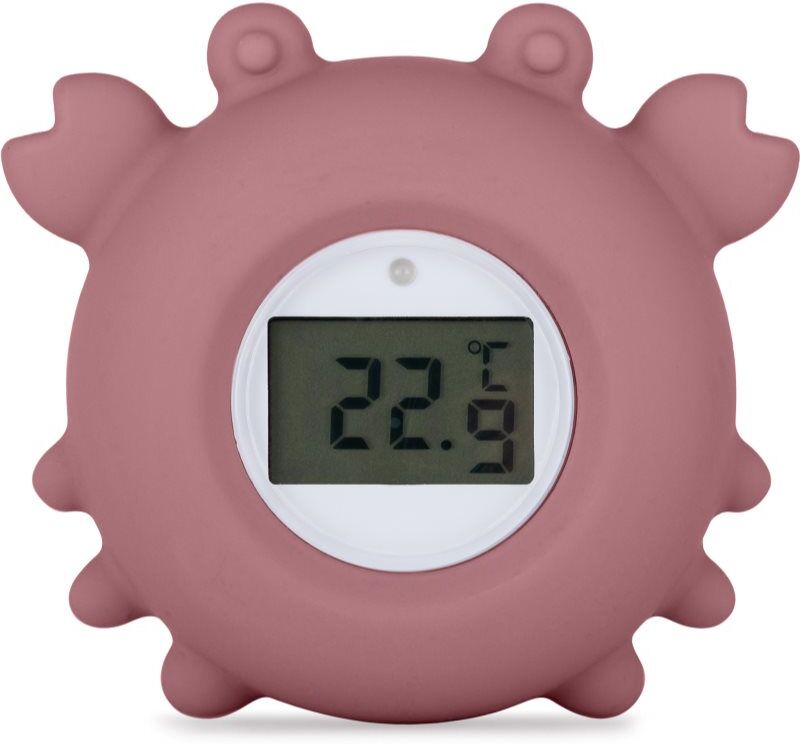
Petite&Mars Digital Silicone Water Thermometer 0m+ thermomètre digital pour baignoire Crab Caleb 1 pcsPetite&Mars; Digital Silicone Water Thermometer 0m+, 1 pcs, Thermomètres de bain pour enfants pour enfant, Assurez-vous que l'eau du bain est à la bonne température pour votre bébé. Le thermomètre de bain pour bébé Petite&Mars; Digital Silicone Water Thermometer 0m+ vous y aidera au quotidien. Le produit : aide à déterminer la bonne température de l'eau du bain sans danger flotte à la surface de l'eau numérique échelle facile à lire sans mercure10,46 €*Shipping: 3,45 €Secure redirect to the provider
-
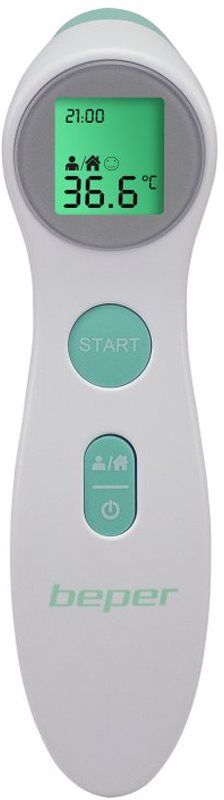
BEPER P303MED001 thermomètre digital 1 pcsBEPER P303MED001, 1 pcs, Thermomètres pour enfants pour homme, Le produit : sans contact fonction d’arrêt automatique mesure également la température du bain ou du biberon la température est mesurée en quelques secondes écran rétroéclairé mémoire de la dernière mesure signal sonore lorsque la température est élevée mesure la température à une distance de plusieurs centimètres25,42 €*Shipping: 3,45 €Secure redirect to the provider
-
Medivon Timi Verona thermomètre digital 1 pcsMedivon Timi Verona, 1 pcs, Thermomètres pour enfants pour homme, Le produit : mesure la température à une distance de plusieurs centimètres la température est mesurée en quelques secondes écran rétroéclairé37,00 €*Shipping: 3,45 €Secure redirect to the provider
-
Zopa Digital Audiomonitor Watcher babyphone 1 pcsZopa Digital Audiomonitor Watcher, 1 pcs, Babyphones pour enfant, Lorsqu’on devient parent, il faudrait presque avoir des yeux dans le dos. Heureusement, vous pouvez compter sur le babyphone Zopa Digital Audiomonitor Watcher. Détendez-vous en sachant que votre bébé est sous surveillance constante. Facilitez-vous la tâche en tant que parent. Le produit : babyphone audio permet une communication bidirectionnelle microphone intégré babyphone facile à orienter sous différents angles facile à placer sur la table fonction lumière apaisante signal d’avertissement lorsque la batterie est faible voyants activés par le son Mode d’emploi : Le signal est stable jusqu'à 300 mètres. Grâce à la batterie, il ne doit pas être branché sur secteur pour fonctionner.36,98 €*Shipping: 3,45 €Secure redirect to the provider


-
Why do ethers have only weak dipole-dipole interactions?
Ethers have only weak dipole-dipole interactions because the oxygen atom in the ether molecule is less electronegative than the oxygen atom in alcohols or the nitrogen atom in amines. This results in a smaller difference in electronegativity between the oxygen and the carbon atoms in the ether molecule, leading to weaker dipole moments. As a result, the overall dipole-dipole interactions in ethers are weaker compared to molecules with larger electronegativity differences, such as alcohols and amines. **
-
Is the ammonia molecule a dipole or not a dipole?
The ammonia molecule is a dipole. This is because the molecule has a trigonal pyramidal shape with a lone pair of electrons on the nitrogen atom. The electronegativity difference between nitrogen and hydrogen causes the molecule to have a net dipole moment, with the nitrogen end being partially negative and the hydrogen end being partially positive. This makes ammonia a polar molecule. **
-
Why is CO2 not a dipole and H2O a dipole?
CO2 is not a dipole because it has a linear molecular geometry, meaning the two oxygen atoms are symmetrically arranged around the central carbon atom, resulting in a net dipole moment of zero. On the other hand, H2O is a dipole because it has a bent molecular geometry, causing the oxygen atom to pull the shared electrons closer to itself, resulting in a net dipole moment. This uneven distribution of charge creates a positive end (the hydrogen atoms) and a negative end (the oxygen atom), making H2O a polar molecule. **
-
When do Van der Waals forces and dipole-dipole interactions occur?
Van der Waals forces occur between all atoms and molecules, regardless of their polarity, due to temporary fluctuations in electron distribution. Dipole-dipole interactions, on the other hand, occur between polar molecules that have a permanent separation of positive and negative charges. Both types of interactions are important in determining the physical properties of substances, such as their boiling and melting points, and play a significant role in the behavior of gases, liquids, and solids. **

What is the difference between hydrogen bonding and dipole-dipole interactions?
Hydrogen bonding is a specific type of dipole-dipole interaction that occurs between a hydrogen atom bonded to a highly electronegative atom (such as oxygen, nitrogen, or fluorine) and another electronegative atom in a different molecule. This type of interaction is stronger than regular dipole-dipole interactions because of the large electronegativity difference between the hydrogen and the other atom, resulting in a stronger attraction between the molecules. In contrast, dipole-dipole interactions occur between the positive end of one polar molecule and the negative end of another polar molecule, but do not involve a hydrogen atom bonded to a highly electronegative atom. **
What is the difference between a dipole and a non-dipole?
A dipole is a molecule that has a separation of positive and negative charges, resulting in a net dipole moment. This means that the molecule has a non-uniform distribution of electron density, leading to a partial positive and partial negative charge. On the other hand, a non-dipole molecule has a symmetrical distribution of electron density, resulting in no net dipole moment. This means that the molecule does not have a separation of positive and negative charges, and therefore does not exhibit dipole-dipole interactions. **
Top-Angebote
Products related to Dipole:
-
Zopa Digital Thermometer with Flexible Tip thermomètre digital Koala 1 pcsZopa Digital Thermometer with Flexible Tip, 1 pcs, Thermomètres pour enfants pour enfant, Pour bien prendre soin de bébé, vous devriez toujours avoir le thermomètre pour bébé Zopa Digital Thermometer with Flexible Tip chez vous. Ce thermomètre vous aidera à déterminer facilement et rapidement la température de votre bébé Le produit : fonction d’arrêt automatique étanche signal sonore lorsque la mesure est terminée pointe souple signal sonore lorsque la température est élevée la température est mesurée en quelques secondes sans mercure Mode d’emploi : utilisation au niveau des aisselles ou par voie orale ou rectale.6,04 €*Shipping: 3,45 €Secure redirect to the provider
-
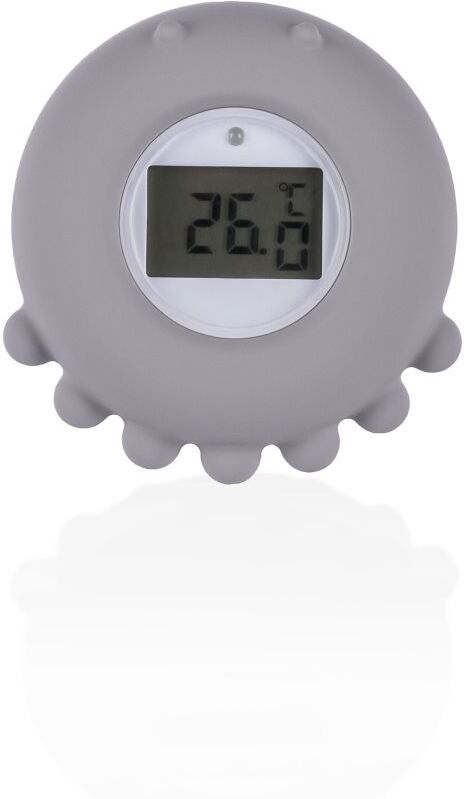
Zopa Silicone Digital Thermometer 2in1 thermomètre digital pour baignoire Dove Grey 1 pcsZopa Silicone Digital Thermometer 2in1, 1 pcs, Thermomètres de bain pour enfants pour enfant, Assurez-vous que l'eau du bain est à la bonne température pour votre bébé. Le thermomètre de bain pour bébé Zopa Silicone Digital Thermometer 2in1 vous y aidera au quotidien. Le produit : aide à déterminer la bonne température de l'eau du bain flotte à la surface de l'eau sans danger numérique échelle facile à lire10,96 €*Shipping: 3,45 €Secure redirect to the provider
-
Petite&Mars Digital Silicone Water Thermometer 0m+ thermomètre digital pour baignoire Crab Caleb 1 pcsPetite&Mars; Digital Silicone Water Thermometer 0m+, 1 pcs, Thermomètres de bain pour enfants pour enfant, Assurez-vous que l'eau du bain est à la bonne température pour votre bébé. Le thermomètre de bain pour bébé Petite&Mars; Digital Silicone Water Thermometer 0m+ vous y aidera au quotidien. Le produit : aide à déterminer la bonne température de l'eau du bain sans danger flotte à la surface de l'eau numérique échelle facile à lire sans mercure10,46 €*Shipping: 3,45 €Secure redirect to the provider
-
BEPER P303MED001 thermomètre digital 1 pcsBEPER P303MED001, 1 pcs, Thermomètres pour enfants pour homme, Le produit : sans contact fonction d’arrêt automatique mesure également la température du bain ou du biberon la température est mesurée en quelques secondes écran rétroéclairé mémoire de la dernière mesure signal sonore lorsque la température est élevée mesure la température à une distance de plusieurs centimètres25,42 €*Shipping: 3,45 €Secure redirect to the provider
-
How do dipole-dipole forces affect the boiling temperature?
Dipole-dipole forces are attractive forces between the positive end of one polar molecule and the negative end of another polar molecule. These forces cause the molecules to be attracted to each other and stick together, making it more difficult for them to break apart and become a gas. As a result, substances with stronger dipole-dipole forces will have higher boiling temperatures because more energy is required to overcome these attractive forces and turn the substance into a gas. Therefore, the presence of dipole-dipole forces can increase the boiling temperature of a substance. **
-
Why are hydrogen bonds stronger than dipole-dipole interactions?
Hydrogen bonds are stronger than dipole-dipole interactions because they involve a specific interaction between a hydrogen atom and a highly electronegative atom such as oxygen, nitrogen, or fluorine. This creates a strong partial positive charge on the hydrogen atom and a strong partial negative charge on the electronegative atom, leading to a strong attraction between the two. In contrast, dipole-dipole interactions occur between the partial positive and negative charges of polar molecules, which are generally weaker than the specific interaction between a hydrogen atom and a highly electronegative atom in a hydrogen bond. **
-
Why do ethers have only weak dipole-dipole interactions?
Ethers have only weak dipole-dipole interactions because the oxygen atom in the ether molecule is less electronegative than the oxygen atom in alcohols or the nitrogen atom in amines. This results in a smaller difference in electronegativity between the oxygen and the carbon atoms in the ether molecule, leading to weaker dipole moments. As a result, the overall dipole-dipole interactions in ethers are weaker compared to molecules with larger electronegativity differences, such as alcohols and amines. **
-
Is the ammonia molecule a dipole or not a dipole?
The ammonia molecule is a dipole. This is because the molecule has a trigonal pyramidal shape with a lone pair of electrons on the nitrogen atom. The electronegativity difference between nitrogen and hydrogen causes the molecule to have a net dipole moment, with the nitrogen end being partially negative and the hydrogen end being partially positive. This makes ammonia a polar molecule. **
Similar search terms for Dipole
-
Medivon Timi Verona thermomètre digital 1 pcsMedivon Timi Verona, 1 pcs, Thermomètres pour enfants pour homme, Le produit : mesure la température à une distance de plusieurs centimètres la température est mesurée en quelques secondes écran rétroéclairé37,00 €*Shipping: 3,45 €Secure redirect to the provider
-
Zopa Digital Audiomonitor Watcher babyphone 1 pcsZopa Digital Audiomonitor Watcher, 1 pcs, Babyphones pour enfant, Lorsqu’on devient parent, il faudrait presque avoir des yeux dans le dos. Heureusement, vous pouvez compter sur le babyphone Zopa Digital Audiomonitor Watcher. Détendez-vous en sachant que votre bébé est sous surveillance constante. Facilitez-vous la tâche en tant que parent. Le produit : babyphone audio permet une communication bidirectionnelle microphone intégré babyphone facile à orienter sous différents angles facile à placer sur la table fonction lumière apaisante signal d’avertissement lorsque la batterie est faible voyants activés par le son Mode d’emploi : Le signal est stable jusqu'à 300 mètres. Grâce à la batterie, il ne doit pas être branché sur secteur pour fonctionner.36,98 €*Shipping: 3,45 €Secure redirect to the provider
-
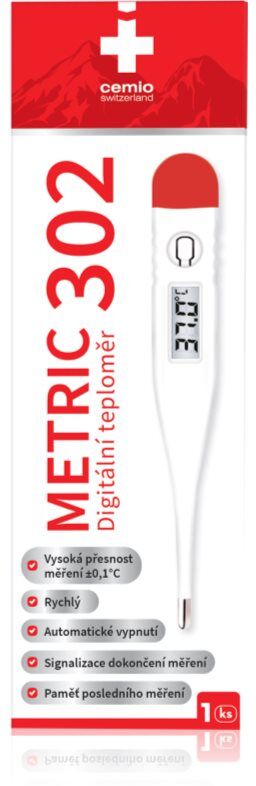
Cemio Metric 308 302 thermomètre digital 1 pcsCemio Metric 308 302, 1 pcs, Thermomètres pour enfants pour homme, Le produit : signal sonore lorsque la mesure est terminée mémoire de la dernière mesure grand écran Mode d’emploi : utilisation au niveau des aisselles ou par voie orale ou rectale.2,56 €*Shipping: 3,45 €Secure redirect to the provider
-
Zopa Digital Thermometer with Flexible Tip thermomètre digital Panda 1 pcsZopa Digital Thermometer with Flexible Tip, 1 pcs, Thermomètres pour enfants pour enfant, Pour bien prendre soin de bébé, vous devriez toujours avoir le thermomètre pour bébé Zopa Digital Thermometer with Flexible Tip chez vous. Ce thermomètre vous aidera à déterminer facilement et rapidement la température de votre bébé Le produit : fonction d’arrêt automatique étanche signal sonore lorsque la mesure est terminée pointe souple signal sonore lorsque la température est élevée la température est mesurée en quelques secondes sans mercure Mode d’emploi : utilisation au niveau des aisselles ou par voie orale ou rectale.6,80 €*Shipping: 3,45 €Secure redirect to the provider
-
Why is CO2 not a dipole and H2O a dipole?
CO2 is not a dipole because it has a linear molecular geometry, meaning the two oxygen atoms are symmetrically arranged around the central carbon atom, resulting in a net dipole moment of zero. On the other hand, H2O is a dipole because it has a bent molecular geometry, causing the oxygen atom to pull the shared electrons closer to itself, resulting in a net dipole moment. This uneven distribution of charge creates a positive end (the hydrogen atoms) and a negative end (the oxygen atom), making H2O a polar molecule. **
-
When do Van der Waals forces and dipole-dipole interactions occur?
Van der Waals forces occur between all atoms and molecules, regardless of their polarity, due to temporary fluctuations in electron distribution. Dipole-dipole interactions, on the other hand, occur between polar molecules that have a permanent separation of positive and negative charges. Both types of interactions are important in determining the physical properties of substances, such as their boiling and melting points, and play a significant role in the behavior of gases, liquids, and solids. **
-
What is the difference between hydrogen bonding and dipole-dipole interactions?
Hydrogen bonding is a specific type of dipole-dipole interaction that occurs between a hydrogen atom bonded to a highly electronegative atom (such as oxygen, nitrogen, or fluorine) and another electronegative atom in a different molecule. This type of interaction is stronger than regular dipole-dipole interactions because of the large electronegativity difference between the hydrogen and the other atom, resulting in a stronger attraction between the molecules. In contrast, dipole-dipole interactions occur between the positive end of one polar molecule and the negative end of another polar molecule, but do not involve a hydrogen atom bonded to a highly electronegative atom. **
-
What is the difference between a dipole and a non-dipole?
A dipole is a molecule that has a separation of positive and negative charges, resulting in a net dipole moment. This means that the molecule has a non-uniform distribution of electron density, leading to a partial positive and partial negative charge. On the other hand, a non-dipole molecule has a symmetrical distribution of electron density, resulting in no net dipole moment. This means that the molecule does not have a separation of positive and negative charges, and therefore does not exhibit dipole-dipole interactions. **
* All prices are inclusive of VAT and, if applicable, plus shipping costs. The offer information is based on the details provided by the respective shop and is updated through automated processes. Real-time updates do not occur, so deviations can occur in individual cases. ** Note: Parts of this content were created by AI.