Buy optify.be ?
We are moving the project
optify.be .
Are you interested in purchasing the domain
optify.be ?
domain@kv-gmbh.de · 0541-91531010
Buy optify.be ?
What are trophic levels and trophic structures?
Trophic levels refer to the hierarchical levels in an ecosystem through which energy and nutrients flow. They represent the feeding positions of different organisms in a food chain or food web. Trophic structures, on the other hand, describe the organization of these trophic levels within an ecosystem. This includes the distribution of energy and nutrients among different organisms, as well as the interactions and relationships between them. Overall, trophic levels and trophic structures are important concepts for understanding the flow of energy and nutrients in ecosystems and the dynamics of food chains and food webs. **
Are trophic levels and trophic levels the same in biology?
No, trophic levels and trophic levels are not the same in biology. Trophic levels refer to the hierarchical levels in an ecosystem based on an organism's position in the food chain, such as producers, primary consumers, secondary consumers, etc. On the other hand, trophic cascades are the indirect effects that occur when a change in one trophic level impacts other trophic levels in the ecosystem. Both concepts are important in understanding the dynamics of energy flow and interactions within ecosystems. **

Similar search terms for Trophic
Top-Angebote
Products related to Trophic:
-
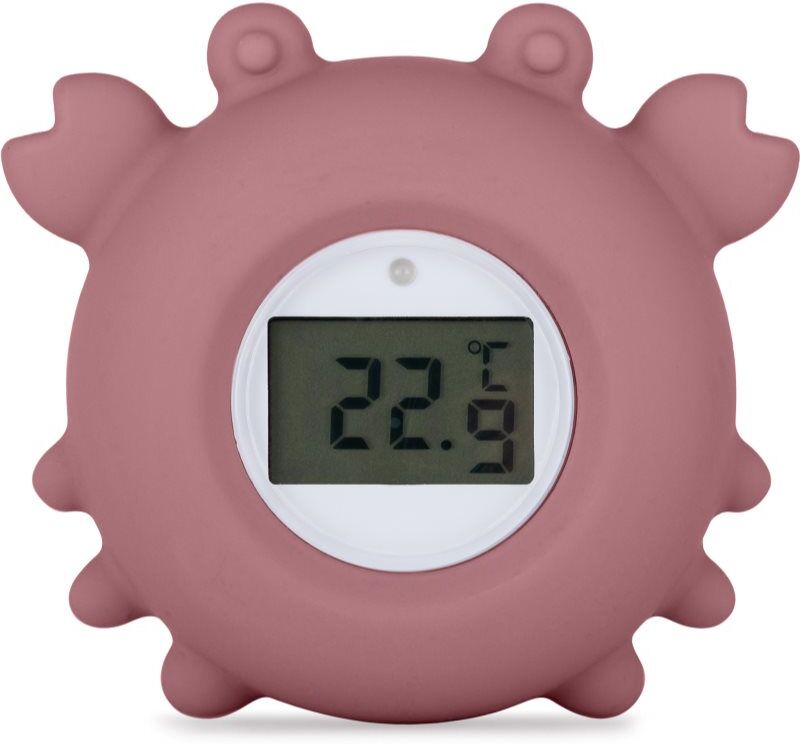
Petite&Mars Digital Silicone Water Thermometer 0m+ thermomètre digital pour baignoire Crab Caleb 1 pcsPetite&Mars; Digital Silicone Water Thermometer 0m+, 1 pcs, Thermomètres de bain pour enfants pour enfant, Assurez-vous que l'eau du bain est à la bonne température pour votre bébé. Le thermomètre de bain pour bébé Petite&Mars; Digital Silicone Water Thermometer 0m+ vous y aidera au quotidien. Le produit : aide à déterminer la bonne température de l'eau du bain sans danger flotte à la surface de l'eau numérique échelle facile à lire sans mercure10,46 €*Shipping: 3,45 €Secure redirect to the provider
-
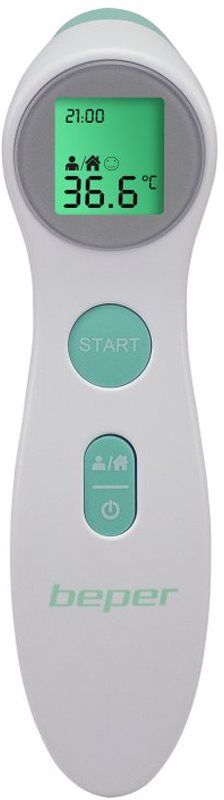
BEPER P303MED001 thermomètre digital 1 pcsBEPER P303MED001, 1 pcs, Thermomètres pour enfants pour homme, Le produit : sans contact fonction d’arrêt automatique mesure également la température du bain ou du biberon la température est mesurée en quelques secondes écran rétroéclairé mémoire de la dernière mesure signal sonore lorsque la température est élevée mesure la température à une distance de plusieurs centimètres26,27 €*Shipping: 3,45 €Secure redirect to the provider
-
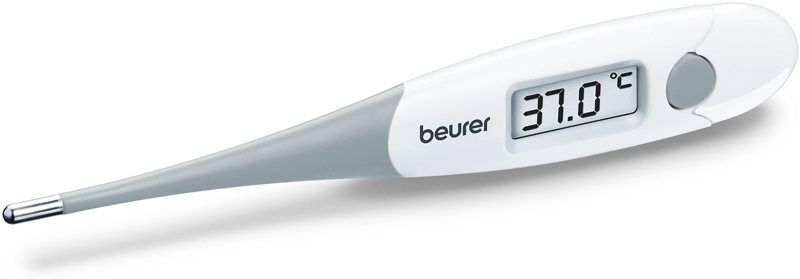
BEURER FT 15 thermomètre digital 1 pcsBEURER FT 15, 1 pcs, Thermomètres pour enfants pour homme, Le produit : fonction d’arrêt automatique étanche pointe souple signal sonore lorsque la mesure est terminée signal sonore lorsque la température est élevée mémoire de la dernière mesure mesure à une vitesse allant jusqu'à 10 secondes Mode d’emploi : utilisation au niveau des aisselles ou par voie orale ou rectale.6,80 €*Shipping: 3,45 €Secure redirect to the provider
-
Medivon Timi Verona thermomètre digital 1 pcsMedivon Timi Verona, 1 pcs, Thermomètres pour enfants pour homme, Le produit : mesure la température à une distance de plusieurs centimètres la température est mesurée en quelques secondes écran rétroéclairé37,00 €*Shipping: 3,45 €Secure redirect to the provider

-
Are trophic levels and trophic levels the same thing in biology?
No, "trophic levels" and "trophic levels" are not the same thing in biology. "Trophic levels" refer to the hierarchical levels in an ecosystem based on an organism's position in the food chain, such as producers, primary consumers, secondary consumers, and so on. On the other hand, "trophic levels" appears to be a typographical error or a repetition of the term "trophic levels." In biology, it is important to use accurate and specific terminology to avoid confusion and miscommunication. **
-
Why do organisms get larger from trophic level to trophic level?
Organisms tend to get larger from one trophic level to the next because as energy is transferred up the food chain, there is a loss of energy at each level. This means that organisms at higher trophic levels need to consume larger quantities of organisms from lower trophic levels to obtain enough energy to sustain themselves. Additionally, larger organisms are more efficient at capturing and consuming prey, allowing them to thrive at higher trophic levels. Finally, larger organisms have a lower surface area to volume ratio, which helps them retain heat and energy more effectively. **
-
Why do organisms become larger from trophic level to trophic level?
Organisms become larger from trophic level to trophic level due to the efficiency of energy transfer in ecosystems. As energy is transferred from one trophic level to the next, there is a loss of energy in the form of heat and metabolic processes. Larger organisms are able to consume more energy-rich food sources and have a more efficient metabolism, allowing them to grow in size as they move up the food chain. Additionally, larger organisms are better equipped to capture and consume prey, giving them a competitive advantage in obtaining energy and resources. **
-
Why does the biomass decrease from trophic level to trophic level?
Biomass decreases from trophic level to trophic level because energy is lost as it moves through the food chain. Organisms at each trophic level use some of the energy they consume for their own metabolic processes, such as respiration and movement, and the rest is lost as heat. This means that there is less energy available to be passed on to the next trophic level, resulting in a decrease in biomass. Additionally, not all of the energy from one trophic level is consumed by the next level, as some is lost through waste and uneaten parts of organisms. **

What are trophic levels in biology?
Trophic levels in biology refer to the hierarchical levels in an ecosystem where organisms are grouped based on their feeding relationships. The primary producers, such as plants, are at the base of the trophic levels as they convert sunlight into energy through photosynthesis. Herbivores that feed on plants are at the next level, followed by carnivores that eat herbivores. Each trophic level represents a transfer of energy and nutrients through the ecosystem, with energy decreasing as it moves up the levels. **
What is the trophic level of omnivores?
Omnivores are organisms that consume both plants and animals, so their trophic level can vary. When they consume plants, they are considered primary consumers (herbivores) and when they consume animals, they are considered secondary consumers (carnivores). This means that omnivores can occupy multiple trophic levels within a food web, depending on their diet. **
Top-Angebote
Products related to Trophic:
-
Zopa Digital Thermometer with Flexible Tip thermomètre digital Koala 1 pcsZopa Digital Thermometer with Flexible Tip, 1 pcs, Thermomètres pour enfants pour enfant, Pour bien prendre soin de bébé, vous devriez toujours avoir le thermomètre pour bébé Zopa Digital Thermometer with Flexible Tip chez vous. Ce thermomètre vous aidera à déterminer facilement et rapidement la température de votre bébé Le produit : fonction d’arrêt automatique étanche signal sonore lorsque la mesure est terminée pointe souple signal sonore lorsque la température est élevée la température est mesurée en quelques secondes sans mercure Mode d’emploi : utilisation au niveau des aisselles ou par voie orale ou rectale.6,97 €*Shipping: 3,45 €Secure redirect to the provider
-
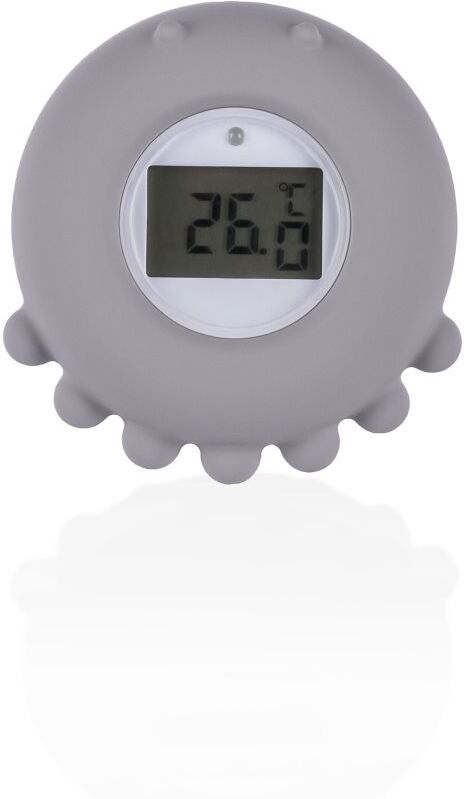
Zopa Silicone Digital Thermometer 2in1 thermomètre digital pour baignoire Dove Grey 1 pcsZopa Silicone Digital Thermometer 2in1, 1 pcs, Thermomètres de bain pour enfants pour enfant, Assurez-vous que l'eau du bain est à la bonne température pour votre bébé. Le thermomètre de bain pour bébé Zopa Silicone Digital Thermometer 2in1 vous y aidera au quotidien. Le produit : aide à déterminer la bonne température de l'eau du bain flotte à la surface de l'eau sans danger numérique échelle facile à lire11,05 €*Shipping: 3,45 €Secure redirect to the provider
-
Petite&Mars Digital Silicone Water Thermometer 0m+ thermomètre digital pour baignoire Crab Caleb 1 pcsPetite&Mars; Digital Silicone Water Thermometer 0m+, 1 pcs, Thermomètres de bain pour enfants pour enfant, Assurez-vous que l'eau du bain est à la bonne température pour votre bébé. Le thermomètre de bain pour bébé Petite&Mars; Digital Silicone Water Thermometer 0m+ vous y aidera au quotidien. Le produit : aide à déterminer la bonne température de l'eau du bain sans danger flotte à la surface de l'eau numérique échelle facile à lire sans mercure10,46 €*Shipping: 3,45 €Secure redirect to the provider
-
BEPER P303MED001 thermomètre digital 1 pcsBEPER P303MED001, 1 pcs, Thermomètres pour enfants pour homme, Le produit : sans contact fonction d’arrêt automatique mesure également la température du bain ou du biberon la température est mesurée en quelques secondes écran rétroéclairé mémoire de la dernière mesure signal sonore lorsque la température est élevée mesure la température à une distance de plusieurs centimètres26,27 €*Shipping: 3,45 €Secure redirect to the provider
-
What are trophic levels and trophic structures?
Trophic levels refer to the hierarchical levels in an ecosystem through which energy and nutrients flow. They represent the feeding positions of different organisms in a food chain or food web. Trophic structures, on the other hand, describe the organization of these trophic levels within an ecosystem. This includes the distribution of energy and nutrients among different organisms, as well as the interactions and relationships between them. Overall, trophic levels and trophic structures are important concepts for understanding the flow of energy and nutrients in ecosystems and the dynamics of food chains and food webs. **
-
Are trophic levels and trophic levels the same in biology?
No, trophic levels and trophic levels are not the same in biology. Trophic levels refer to the hierarchical levels in an ecosystem based on an organism's position in the food chain, such as producers, primary consumers, secondary consumers, etc. On the other hand, trophic cascades are the indirect effects that occur when a change in one trophic level impacts other trophic levels in the ecosystem. Both concepts are important in understanding the dynamics of energy flow and interactions within ecosystems. **
-
Are trophic levels and trophic levels the same thing in biology?
No, "trophic levels" and "trophic levels" are not the same thing in biology. "Trophic levels" refer to the hierarchical levels in an ecosystem based on an organism's position in the food chain, such as producers, primary consumers, secondary consumers, and so on. On the other hand, "trophic levels" appears to be a typographical error or a repetition of the term "trophic levels." In biology, it is important to use accurate and specific terminology to avoid confusion and miscommunication. **
-
Why do organisms get larger from trophic level to trophic level?
Organisms tend to get larger from one trophic level to the next because as energy is transferred up the food chain, there is a loss of energy at each level. This means that organisms at higher trophic levels need to consume larger quantities of organisms from lower trophic levels to obtain enough energy to sustain themselves. Additionally, larger organisms are more efficient at capturing and consuming prey, allowing them to thrive at higher trophic levels. Finally, larger organisms have a lower surface area to volume ratio, which helps them retain heat and energy more effectively. **
Similar search terms for Trophic
-
BEURER FT 15 thermomètre digital 1 pcsBEURER FT 15, 1 pcs, Thermomètres pour enfants pour homme, Le produit : fonction d’arrêt automatique étanche pointe souple signal sonore lorsque la mesure est terminée signal sonore lorsque la température est élevée mémoire de la dernière mesure mesure à une vitesse allant jusqu'à 10 secondes Mode d’emploi : utilisation au niveau des aisselles ou par voie orale ou rectale.6,80 €*Shipping: 3,45 €Secure redirect to the provider
-
Medivon Timi Verona thermomètre digital 1 pcsMedivon Timi Verona, 1 pcs, Thermomètres pour enfants pour homme, Le produit : mesure la température à une distance de plusieurs centimètres la température est mesurée en quelques secondes écran rétroéclairé37,00 €*Shipping: 3,45 €Secure redirect to the provider
-
Zopa Digital Audiomonitor Watcher babyphone 1 pcsZopa Digital Audiomonitor Watcher, 1 pcs, Babyphones pour enfant, Lorsqu’on devient parent, il faudrait presque avoir des yeux dans le dos. Heureusement, vous pouvez compter sur le babyphone Zopa Digital Audiomonitor Watcher. Détendez-vous en sachant que votre bébé est sous surveillance constante. Facilitez-vous la tâche en tant que parent. Le produit : babyphone audio permet une communication bidirectionnelle microphone intégré babyphone facile à orienter sous différents angles facile à placer sur la table fonction lumière apaisante signal d’avertissement lorsque la batterie est faible voyants activés par le son Mode d’emploi : Le signal est stable jusqu'à 300 mètres. Grâce à la batterie, il ne doit pas être branché sur secteur pour fonctionner.37,83 €*Shipping: 3,45 €Secure redirect to the provider
-
BEURER FT 09 thermomètre digital White 1 pcsBEURER FT 09, 1 pcs, Thermomètres pour enfants pour homme, Le produit : étanche fonction d’arrêt automatique mémoire de la dernière mesure signal sonore lorsque la température est élevée signal sonore lorsque la mesure est terminée Mode d’emploi : utilisation au niveau des aisselles ou par voie orale ou rectale.5,04 €*Shipping: 3,45 €Secure redirect to the provider
-
Why do organisms become larger from trophic level to trophic level?
Organisms become larger from trophic level to trophic level due to the efficiency of energy transfer in ecosystems. As energy is transferred from one trophic level to the next, there is a loss of energy in the form of heat and metabolic processes. Larger organisms are able to consume more energy-rich food sources and have a more efficient metabolism, allowing them to grow in size as they move up the food chain. Additionally, larger organisms are better equipped to capture and consume prey, giving them a competitive advantage in obtaining energy and resources. **
-
Why does the biomass decrease from trophic level to trophic level?
Biomass decreases from trophic level to trophic level because energy is lost as it moves through the food chain. Organisms at each trophic level use some of the energy they consume for their own metabolic processes, such as respiration and movement, and the rest is lost as heat. This means that there is less energy available to be passed on to the next trophic level, resulting in a decrease in biomass. Additionally, not all of the energy from one trophic level is consumed by the next level, as some is lost through waste and uneaten parts of organisms. **
-
What are trophic levels in biology?
Trophic levels in biology refer to the hierarchical levels in an ecosystem where organisms are grouped based on their feeding relationships. The primary producers, such as plants, are at the base of the trophic levels as they convert sunlight into energy through photosynthesis. Herbivores that feed on plants are at the next level, followed by carnivores that eat herbivores. Each trophic level represents a transfer of energy and nutrients through the ecosystem, with energy decreasing as it moves up the levels. **
-
What is the trophic level of omnivores?
Omnivores are organisms that consume both plants and animals, so their trophic level can vary. When they consume plants, they are considered primary consumers (herbivores) and when they consume animals, they are considered secondary consumers (carnivores). This means that omnivores can occupy multiple trophic levels within a food web, depending on their diet. **
* All prices are inclusive of VAT and, if applicable, plus shipping costs. The offer information is based on the details provided by the respective shop and is updated through automated processes. Real-time updates do not occur, so deviations can occur in individual cases. ** Note: Parts of this content were created by AI.